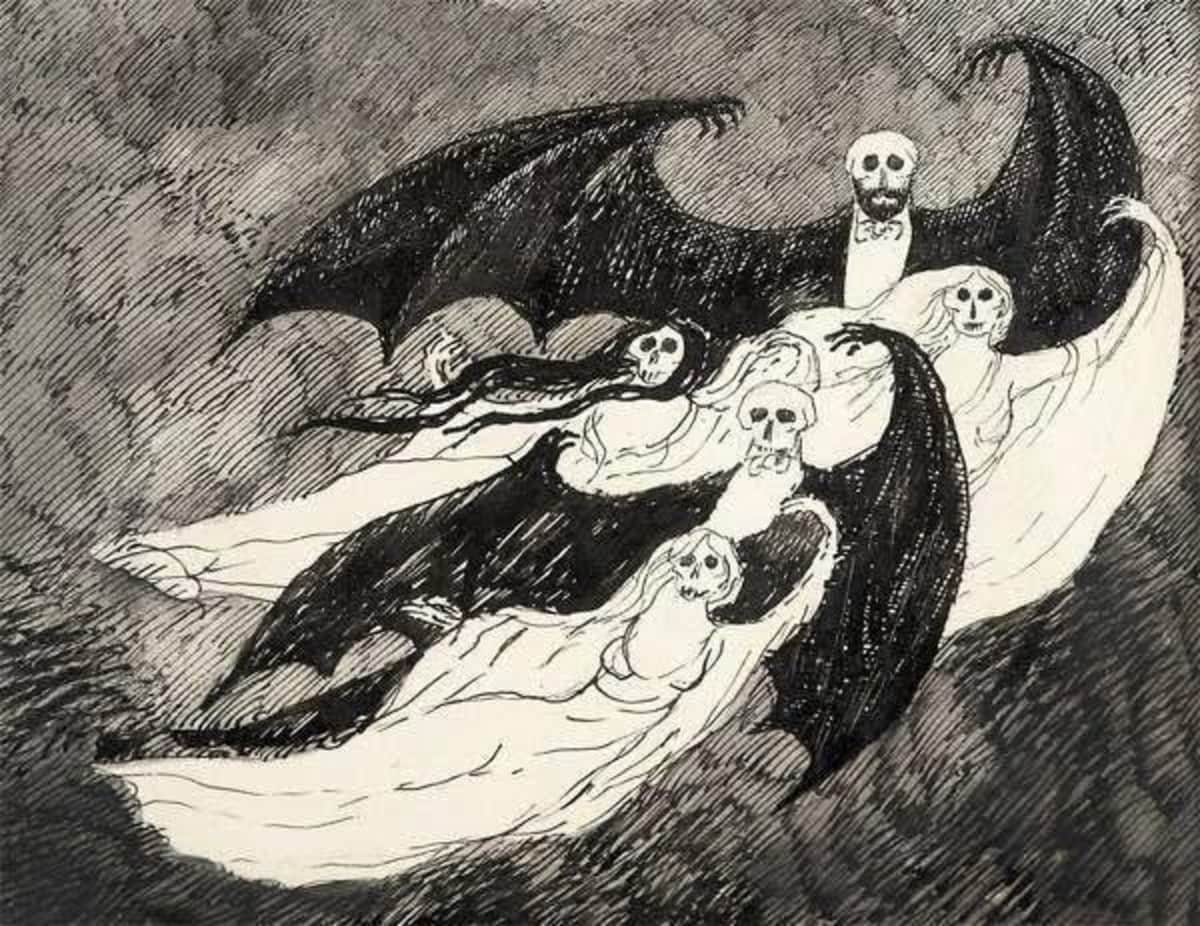
The Best Illustrated Gothic Horror Novels
A guide to the editions where the artwork earns its place beside the text
Gothic horror was made for illustration. Its fog-bound streets, candlelit corridors and half-seen figures are all questions of light and shadow, which is exactly what an artist deals in. But a great illustrated Gothic edition is not a novel with pictures bolted on. The best illustrators read the book the way a director reads a script, deciding what the darkness is hiding and how much to let us see. The finest results become the images a whole generation carries in their heads.
Here are the illustrated editions worth hunting down.
Frankenstein, illustrated by Bernie Wrightson
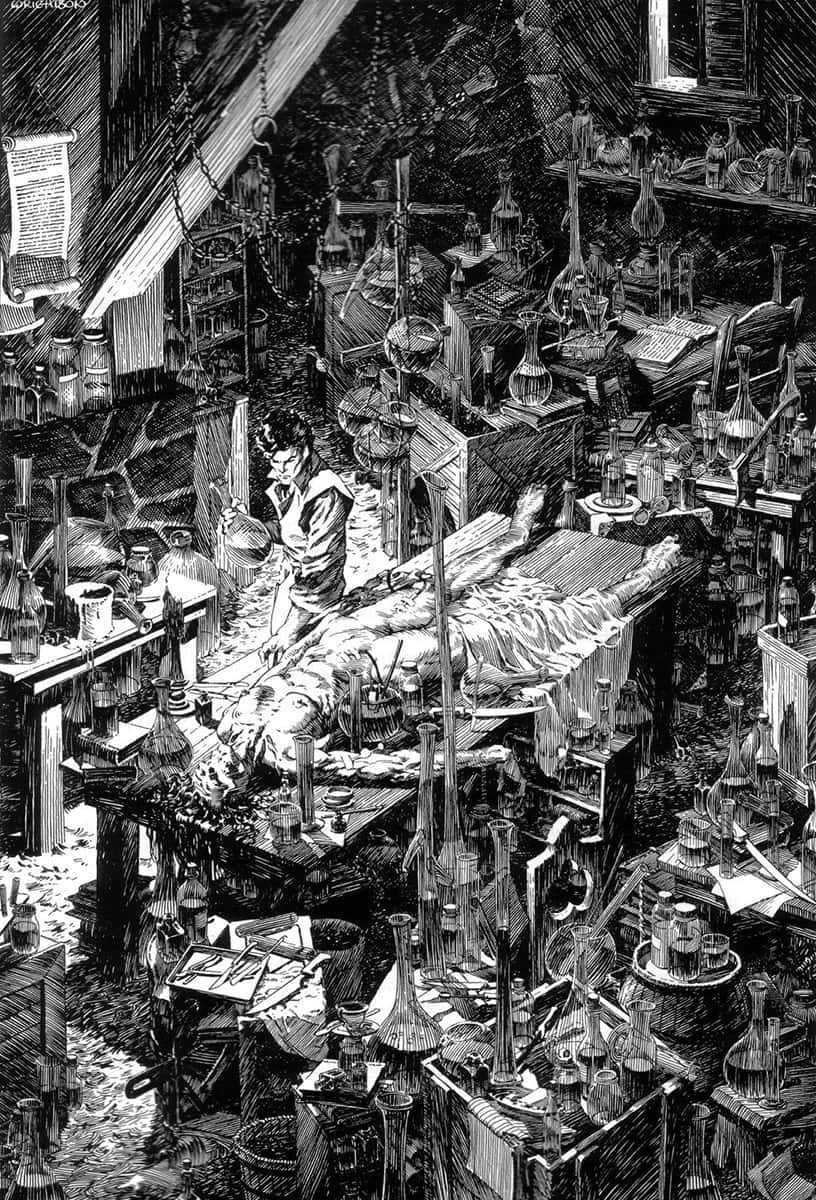
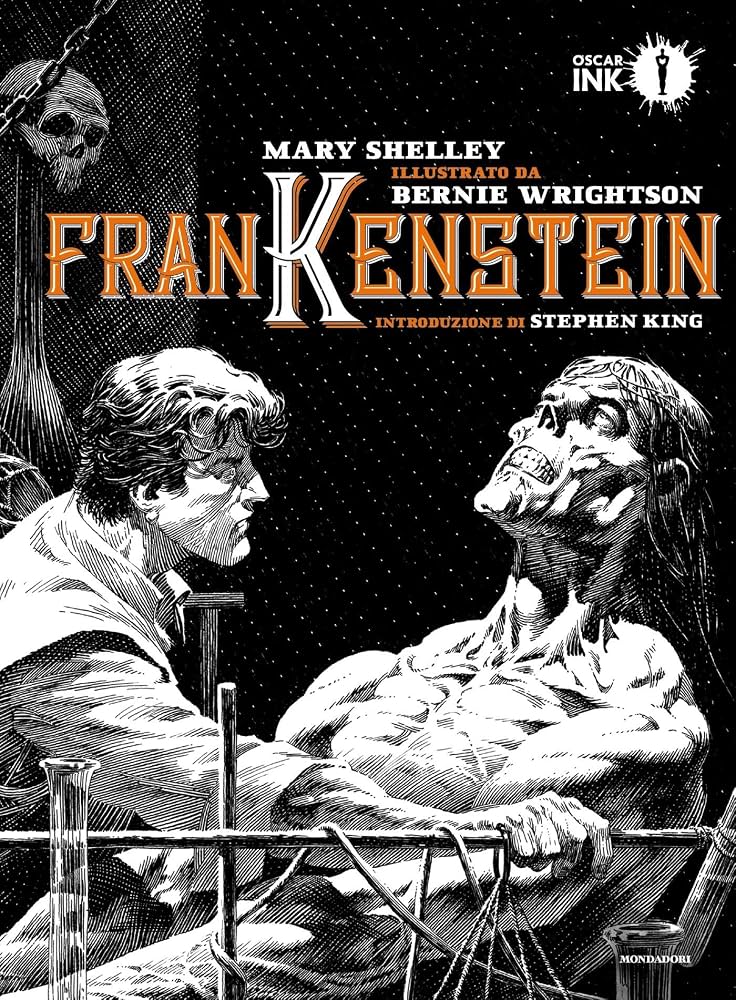
If one illustrated Gothic edition deserves the title of benchmark, it is this one. Bernie Wrightson, then best known as the co-creator of Swamp Thing, wanted a fully illustrated Frankenstein in the style of the early nineteenth century. When he couldn’t find one, he set out to make it himself, spending years on intricate pen-and-ink plates. Marvel published the result in 1983, with an introduction by Stephen King, and it has been reprinted many times since, including a Dark Horse edition in 2008 and a 2021 edition from Gallery 13. For collectors, Centipede Press produced an enormous, luxurious version.
What makes it work is that Wrightson’s Creature is neither a cartoon nor a film monster. He is gaunt and tragic, a body that looks wrongly assembled, and the drawings treat Shelley’s text with the seriousness it deserves.
It is also worth knowing the earlier tradition. After the 1931 film, a wave of illustrated editions followed, including Nino Carbé’s etchings in 1932, and Lynd Ward’s stark woodcuts appeared in 1934. Each artist’s Creature says as much about their era as about Shelley.
Dracula, illustrated by Angela Barrett and Edward Gorey
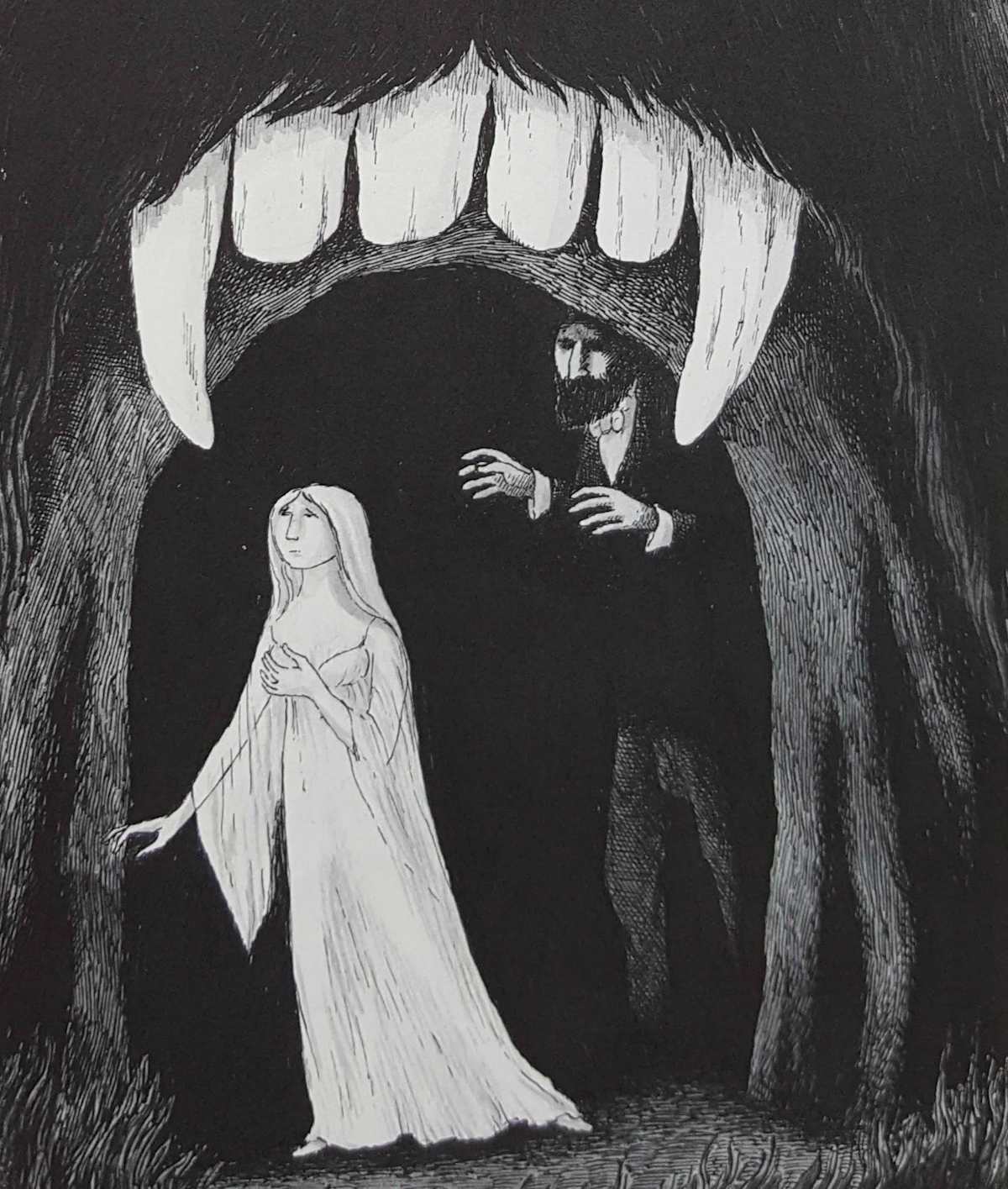
The Folio Society’s Dracula, illustrated by Angela Barrett with an introduction by John Banville, is the one to look for. Barrett is known for her fairy-tale work, and she brings that fairy-tale darkness to Stoker’s novel: lush, painterly and slightly dreamlike. The standard edition is bound in blocked cloth, and there is a limited edition of 750 numbered copies signed by Barrett, bound in blood-red leather with gilded page edges. Folio has also issued a newer Dracula illustrated by Rebecca Green, so it is worth comparing the two.
For something colder and drier, Edward Gorey’s Dracula illustrations are a different proposition altogether. His cross-hatched, deadpan menace suits a novel told in diaries and letters, where the horror creeps in through understatement. His Dracula has appeared in collector-focused editions with small print runs, so expect to hunt.
Dr Jekyll and Mr Hyde, illustrated by Mervyn Peake
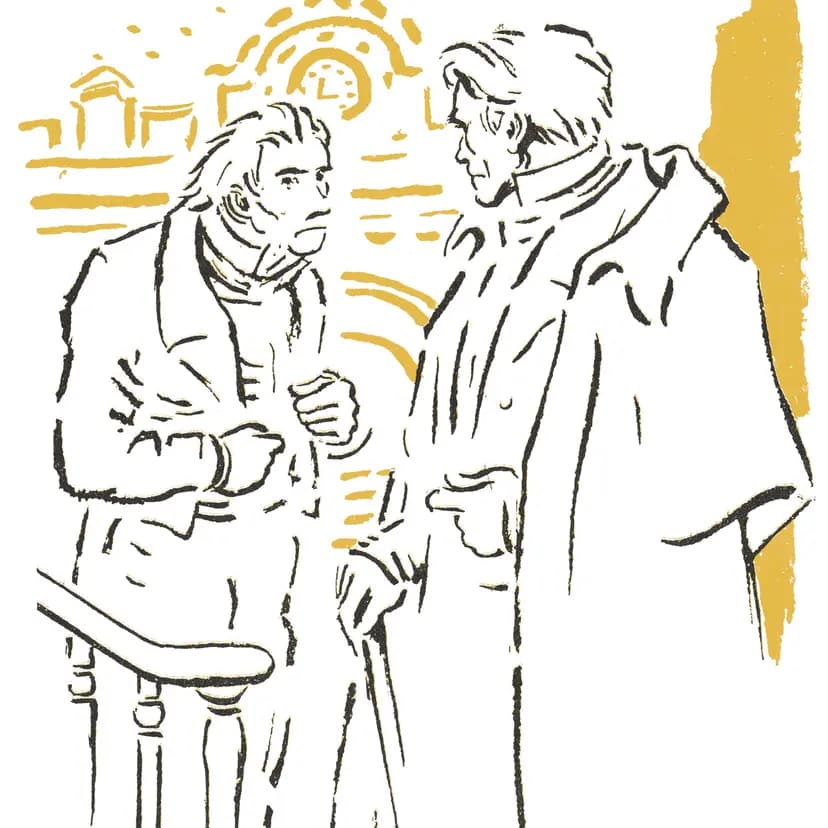
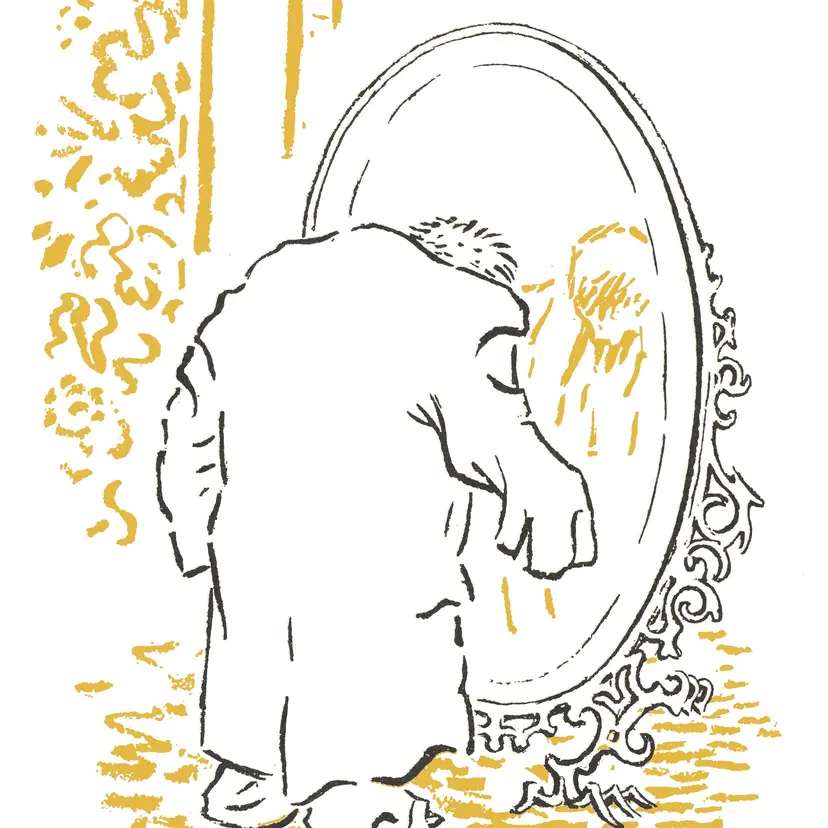
Mervyn Peake, creator of the Gormenghast trilogy, is arguably the ideal illustrator for Stevenson’s novella. He was a master of the Gothic himself, and his gaunt, wavering line gives London a feeling of unease even before Hyde walks into it. The Folio Society edition, with an introduction by John Hampden, is the one to find.
Tales of Mystery and Imagination, illustrated by Harry Clarke
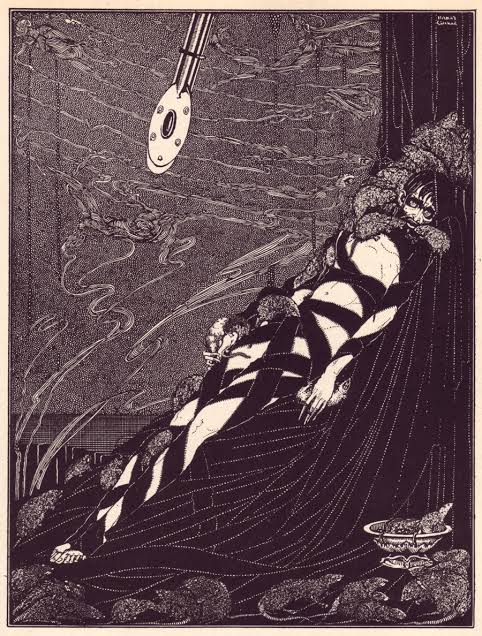
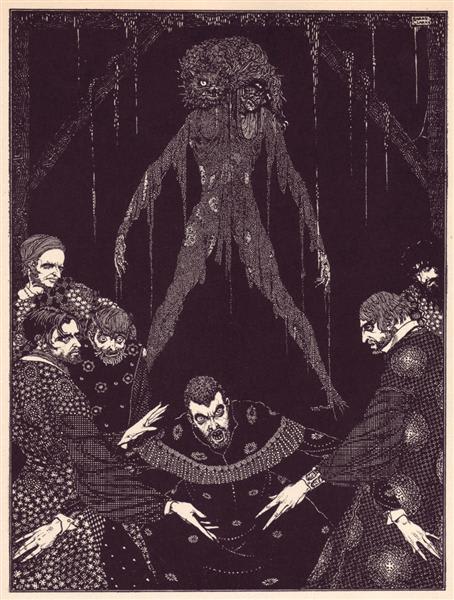
Poe wrote short stories rather than novels, but no list of illustrated Gothic books is complete without Harry Clarke. The Irish stained-glass artist, who lived from 1889 to 1931, produced his edition of Poe in 1919, and many critics still regard it as definitive. His ornate, morbid, jewel-like drawings sit closer to Poe’s fevered prose than the work of his rivals, and his Premature Burial is about as frightening as a still image can be.
For a modern counterpart, the Folio Society’s Poe volume illustrated by Gris Grimly collects The Black Cat, The Masque of the Red Death, Hop-Frog and The Fall of the House of Usher in a grotesque, gleefully macabre style.
Jane Eyre, illustrated by Santiago Caruso
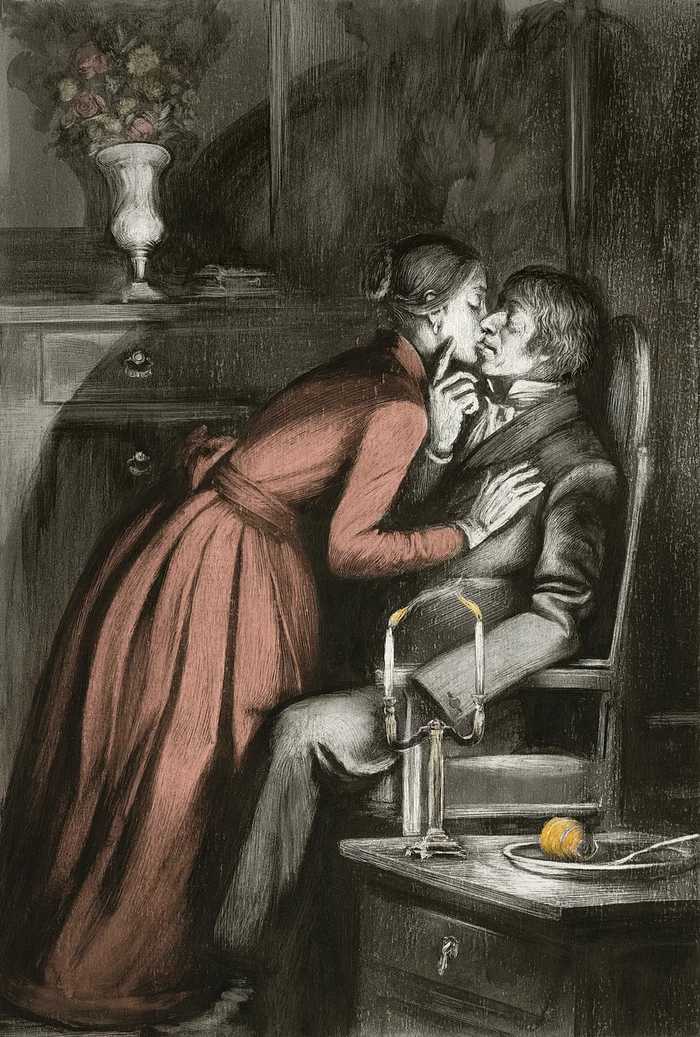
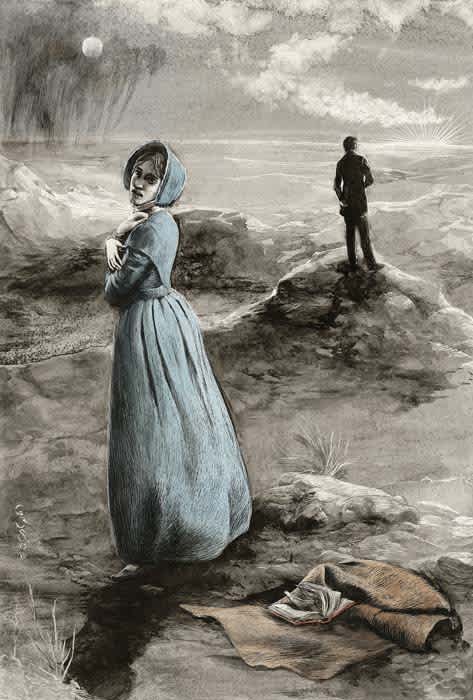
Brontë’s novel is not usually shelved with horror, but its madwoman in the attic, its fire and its ghostly voice across the moors are pure Gothic. Santiago Caruso’s illustrations for the Folio Society edition lean into exactly those undercurrents, which makes it a good choice for readers who want to see Charlotte Brontë as a Gothic writer.
The Turn of the Screw, illustrated by Audrey Benjaminsen
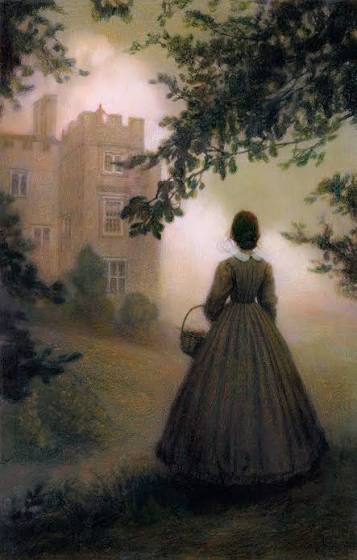
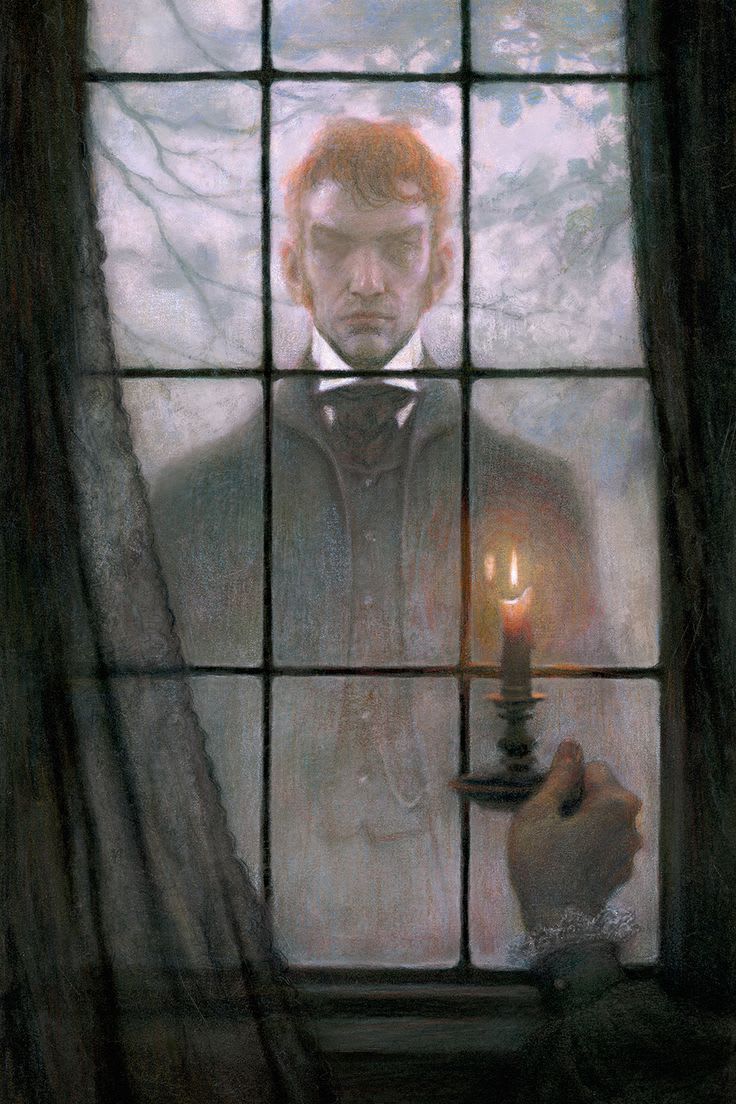
Henry James’s ghost story poses a unique challenge to an illustrator, because its power lies in ambiguity. Are the ghosts real, or is the governess losing her mind? Show too much and the mystery collapses. The Folio Society’s limited edition, with an introduction by Colm Tóibín and illustrations by Audrey Benjaminsen, is signed and bound in leather, and is a fascinating study in how to illustrate a story without answering its central question.
What makes illustrations work in Gothic fiction
After looking across these editions, a few principles stand out.
- Restraint. The strongest images show the doorway, the shadow or the aftermath rather than the monster itself.
- Texture and line. Etching, woodcut and pen-and-ink echo the Victorian printing world these novels came from, and dense black ink suits stories about darkness.
- A point of view. The great editions are interpretations. Wrightson sees tragedy, Gorey sees dry menace, and Clarke sees fever.
- Good production. Heavy paper and rich black printing matter more here than in almost any other genre.
A note on buying
Many of the finest editions, especially from the Folio Society, are produced in limited runs and go out of print, so prices and availability change. Wrightson’s Frankenstein is the easiest to find because of its many reprints, and it is the best place to begin.
Whichever edition you choose, an illustrated Gothic classic is best read the way the genre intended: late, by one lamp, with the page turned slowly.
Here is a link to the folio society where you can find these brilliant works: https://www.foliosociety.com/row/
And if you fancy being REALLY SCARED here's a link to my own Creepypasta book: https://link.amazon/B02N9jwAz